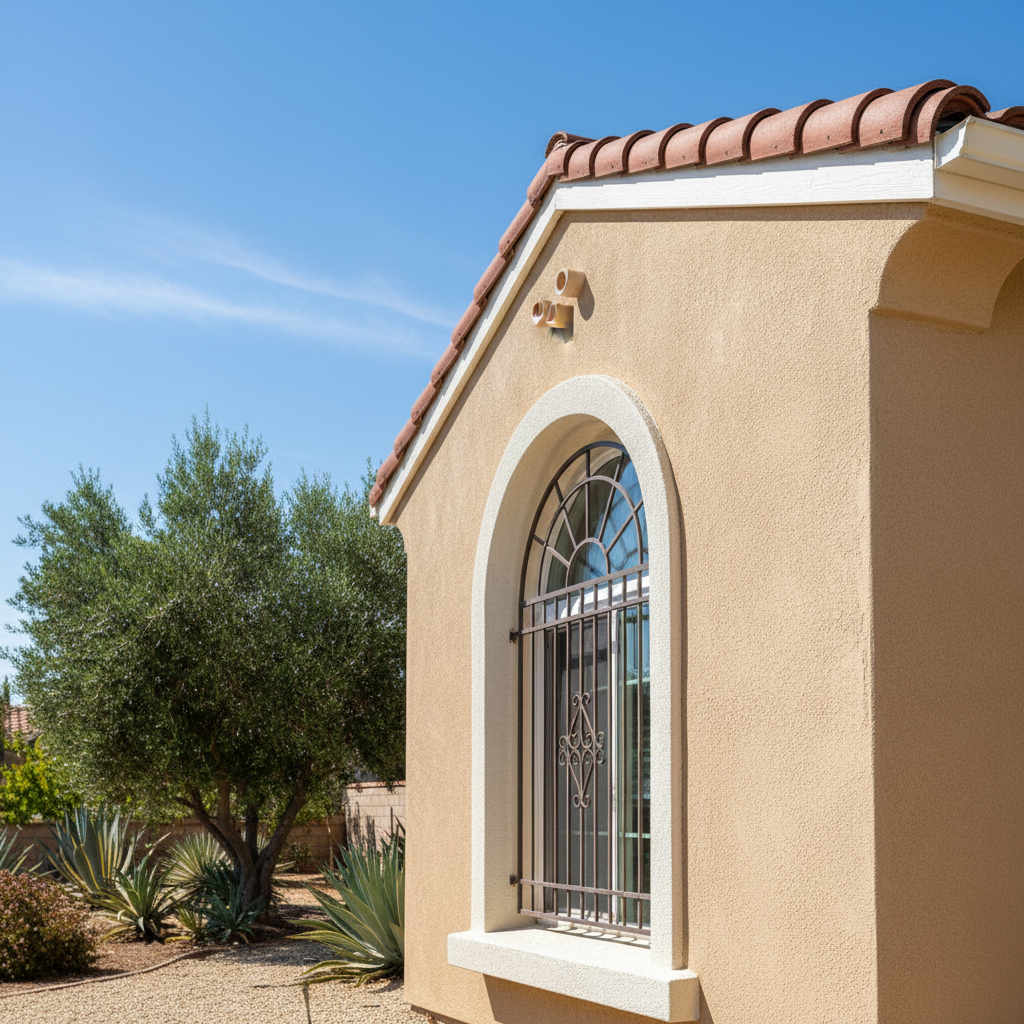
Stucco is very durable, but that does not mean you can just put it up and forget about it. Down here in the San Gabriel Valley, our weather throws a lot at your exterior walls. Between the blistering summer heat, those dry Santa Ana winds, and sudden winter downpours, your walls are constantly expanding and contracting. Over time, that movement takes a toll on the structure.
West Covina Stucco & Plastering sees plenty of homes suffering from neglect that could have been avoided with a little routine upkeep. West Covina Stucco & Plastering wants to show you how you can keep your stucco looking solid and protect your framing from costly moisture damage.
What Regular Stucco Maintenance Looks Like
You do not need to spend every weekend working on your exterior, but a seasonal walkthrough goes a long way. Walk your property line at least twice a year. Look closely at the walls facing south and west, since they take the brunt of our intense local sun.
Keep things clean by giving your walls a gentle rinse with a garden hose a couple of times a year. Wash away accumulated dust, smog, and spiderwebs. Never blast your stucco with a high-pressure power washer on a narrow setting. Too much pressure can chip the finish coat or force water right through microscopic gaps.
Check the caulking around all your window and door frames, too. Old caulk dries out, shrinks, and cracks under our dry heat. Fresh elastomeric sealant keeps water from sneaking behind your stucco when it finally rains.
Warning Signs You Should Not Ignore
Hairline cracks happen on almost every house in West Covina as the concrete cures and shifts. But some signs mean you have got a deeper problem brewing beneath the surface.
- Spiderweb cracks smaller than a credit card are usually cosmetic, but wider gaps need attention fast.
- Staining or dark discoloration around window corners usually points to a failing flashing or a leak.
- A white, powdery crust known as efflorescence means moisture is migrating through your wall and pushing salts to the surface.
- Soft spots, hollow sounds when you tap the wall, or bulging sections indicate that the stucco has delaminated from the lath.
When to Call a Professional
If you spot a crack you can slide a nickel into, or if you notice large chunks of stucco flaking off near the foundation, it is time to bring in backup. Fixing minor hair-fractures with a bit of patch material is fine for a Saturday DIY project, but structural cracking requires a trained eye. If water gets behind that cement barrier, it rots the wood framing and invites mold. Catching it early keeps a simple repair from turning into a major reconstruction job.