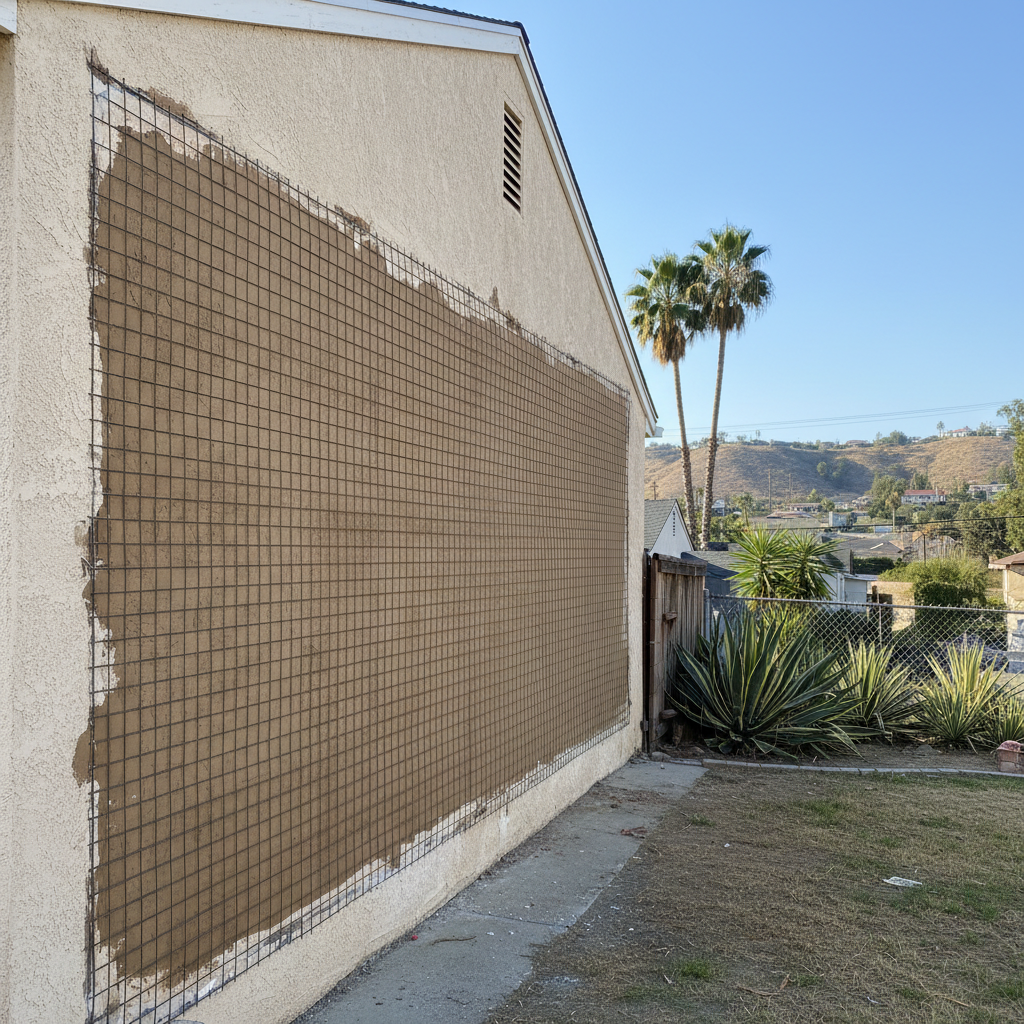
So, you finally pulled the trigger and got rid of that old stucco, huh? Maybe you went with siding, brick, or just a whole new vibe for your place. Whatever the fresh exterior, you've put in a big investment, and naturally, you want it to last. That's smart thinking. Folks often get so caught up in the removal itself that they totally forget about what comes next: making sure that new exterior stays in tip-top shape.
Here in West Covina, our weather can be pretty rough on houses. We get those long, scorching, dry summers that bake everything, then the occasional heavy winter rains that really put your exterior's toughness to the test. You definitely don't want to go through all that effort just to have problems pop up a few years down the road, right? So, let's chat about how to keep your newly revealed or installed exterior looking good and doing its job well.
Making Your New Exterior Last Longer
Once the stucco's gone and your new material is up, the biggest thing you can do to extend its life is proper installation. Since that's already done, though, it's all about protecting it and preventing issues. For most new exteriors — whether it's siding, wood, or even a different kind of plaster — managing water is super important. Our dry climate sometimes makes people a bit complacent, but when those rains hit, they hit hard. So, make sure your gutters are clean and actually directing water away from the foundation. If you've got new siding, double-check that the flashing around your windows and doors is snug and sealed. For wood, a good quality paint or stain, put on correctly, is your main defense against both the sun and moisture. Seriously, don't cheap out on the paint; it really does affect how long it stands up to our intense UV rays.
Another thing I've noticed homeowners often miss is their landscaping. Those beautiful bushes and trees are great, but if they're constantly rubbing against your new exterior, they can wear down finishes, trap moisture, or even create paths for pests. Keep them trimmed back a few inches from the house. It seems like a small detail, but it makes a huge difference over time.
Regular Upkeep: Your New Routine
You don't need to be out there every single weekend, but a little regular attention really pays off. Think of it this way:
- Check it Yearly: Once a year, just walk around your house. Take a close look at the new exterior. See any cracks in the paint or caulk? Are any siding panels loose? Any weird discoloration that might mean a leak? Pay extra attention to spots that get a lot of sun or rain. For homes in places like the hills near South Hills High, where you get more direct sun, this is even more crucial.
- Keep it Clean: Dust and dirt build up, especially with our Santa Ana winds. A gentle wash with a hose and a soft brush can work wonders. For siding, you might consider a mild detergent if it's really grimy. Just be careful with high-pressure washers; they can damage some materials if you're not paying attention.
- Caulk & Seal: Caulk doesn't last forever, you know. Check around windows, doors, and any other openings. If you spot cracks or gaps, re-caulk them. This is one of the cheapest and most effective ways to keep water from getting in.
- Drainage Check: After a good rain, step outside and watch where the water goes. Is it pooling against your house? Are your downspouts actually working? If not, you might need to extend them or clean out your gutters.
Signs of Trouble
You've got to be on top of things. Catching issues early saves you a headache and a lot of money later on. Here are some things to keep an eye out for:
- Discoloration or Stains: Dark streaks, especially under windows or near rooflines, often mean water isn't draining right. Green or black spots? That could be mold or mildew, a sure sign of trapped moisture.
- Cracks or Gaps: Any new cracks, particularly in wood or around trim, are a red flag. Gaps in siding or paneling can let water sneak in.
- Peeling Paint or Finish: This is a clear sign that the protective layer is failing. It could be from age, a bad application job, or moisture getting underneath it.
- Bowing or Warping: If your siding or wood panels start to bow or warp, that's a serious problem, usually connected to moisture or incorrect installation.
- Efflorescence: This is that white, powdery stuff you sometimes see on masonry. It's mineral salts left behind when water evaporates, which means water is getting into the material and then evaporating out.
- Pest Activity: Holes, nests, or even just more bugs hanging around your exterior can mean they're finding ways inside, often through weak spots.
When to Call a Pro
Look, I'm a big fan of DIY for the little stuff, but there are times when you just need to bring in the experts. Don't let pride or trying to save a few bucks lead to bigger headaches. You should definitely call someone like us at West Covina Stucco & Plastering, or another qualified contractor, if:
- You see significant water damage. If you suspect a leak that's more than just on the surface, get it checked out right away. Water can cause a ton of damage to your home's structure really quickly.
- There are widespread issues. A small crack you can caulk is one thing. If you're seeing peeling paint across an entire wall or multiple sections of siding are bowing, that's a bigger problem that needs a professional assessment.
- You're not comfortable doing the repair yourself. If it involves working up high, specialized tools, or you're just not sure what you're doing, it's always smarter to call someone experienced. You don't want to make things worse or, even scarier, hurt yourself.
- You notice structural concerns. If you spot cracks in your foundation, bulging walls, or anything that hints at a structural problem, don't hesitate. That's way beyond a DIY fix.
Your home is a massive investment. Taking care of its exterior after stucco removal isn't just about curb appeal; it's about protecting that investment and making sure your home stays dry, safe, and sound for years to come. A little vigilance goes a long way, don't you think?