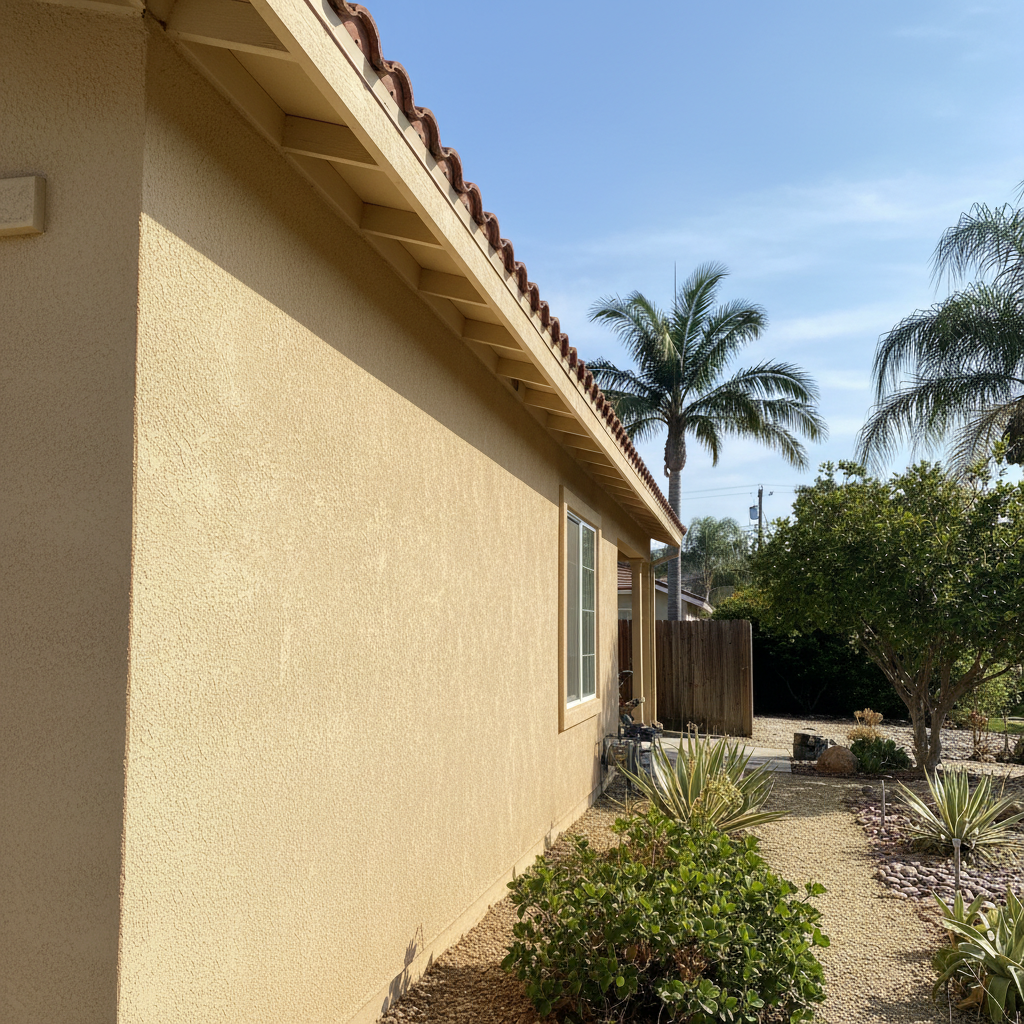
So, you've just had your stucco painted, or maybe you're just thinking about it. Either way, you've made a smart choice for protecting your home. But getting the paint on? That's only half the battle. If you want that beautiful finish to last, especially with our West Covina weather, you've got to give it a little love. Honestly, I've seen too many folks spend good money on a paint job only to neglect it, and then they're wondering why it looks tired after just a few years.
Extending the Life of Your Stucco Paint
The biggest thing you can do to make your stucco paint last is to make sure it stays clean and dry. Sounds simple, right? But it's true. Our climate here in Southern California, with its long dry spells followed by those sudden, heavy winter rains, can be pretty tough on exterior paint. Dust, pollen, even smog can build up, and when that mixes with moisture, it creates a perfect breeding ground for mildew. That can really dull your paint's finish, you know?
First off, a quality paint job always starts with quality materials. If you used a good acrylic elastomeric paint, you're already ahead of the game. These paints are designed to flex with the stucco, which is super important for stopping those tiny hairline cracks that can let water in. They also resist fading better under our intense sun. I always recommend them for homes around areas like the South Hills, where the sun just beats down all day long.
Beyond that, it's all about prevention. Keep those sprinklers aimed away from your stucco. Constant moisture on one spot is a surefire way to break down paint and encourage mildew. Also, trim back any bushes or trees that are constantly rubbing against the walls. That friction will wear away the paint faster than anything else.
Regular Maintenance: Keep It Clean
Regular maintenance for stucco paint isn't a huge chore, but it makes a world of difference. Here's what I tell my clients:
- Annual Wash: Once a year, give your house a good, gentle wash. You don't need a high-powered pressure washer for this – in fact, I'd recommend against it unless you really know what you're doing. You can easily damage the stucco or force water into places it shouldn't be. A garden hose with a spray nozzle, a soft-bristle brush, and a mild detergent (like dish soap diluted in water) usually do the trick. Work in sections from top to bottom, rinse thoroughly, and then just let it air dry.
- Spot Cleaning: See a spot of dirt, some bird droppings, or a little bit of mildew? Clean it right away. Don't let it sit there and bake in the sun. A small scrub with a sponge and soapy water can prevent a much bigger problem later on.
- Check Your Gutters: Make sure your rain gutters are clean and draining properly. Overflowing gutters can send water cascading down your stucco, which can lead to streaks, staining, and even paint failure over time.
Warning Signs of Problems
You're out in your yard, maybe just enjoying the weather, but you should also be keeping an eye on your stucco. Here are some things that should tell you something's not quite right:
- Fading or Chalking: If your paint color looks duller than it used to, or if you can rub your hand against it and get a powdery residue, that's chalking. It means the paint is breaking down from UV exposure. It's not an immediate emergency, but it's a sign that the paint's protective qualities are diminishing.
- Peeling, Blistering, or Flaking: This is a bigger deal. It means the paint isn't sticking properly to the stucco. Water might be getting behind it, or maybe the surface wasn't prepped right before painting. Don't ignore this; it's an open invitation for moisture damage.
- Hairline Cracks: Stucco naturally develops tiny cracks, especially with our temperature swings. Good elastomeric paint should bridge these. If you see cracks in the paint itself, or if existing cracks are getting wider, that's definitely a problem.
- Mildew or Algae Growth: Green or black spots, especially on north-facing walls or in shaded, damp areas, mean moisture is hanging around too long. It's not just ugly; it can degrade the paint and even the stucco underneath.
- Stains: Rust stains from metal fixtures, brown streaks from overflowing gutters, or other discoloration can indicate water intrusion or a need for better drainage.
When to Call a Professional
Look, you can handle a lot of the basic stuff yourself, and I encourage it. But there are times when you really need to bring in someone who knows stucco. If you see any of these, it's time to pick up the phone:
- Extensive Peeling or Blistering: If it's more than just a small patch, you're looking at a bigger issue that might involve moisture trapped in the stucco. A pro can diagnose the cause and fix it right.
- Large or Deep Cracks: Anything bigger than a hairline crack, or cracks that seem to be expanding, need professional attention. They could be structural, or they could be letting a lot of water into your wall system.
- Persistent Mildew or Algae: If you've cleaned it and it keeps coming back quickly, there might be an underlying moisture problem that needs to be addressed.
- Water Stains that Don't Go Away: Especially if they're near windows, doors, or rooflines. This points to a leak that needs to be found and fixed before it causes serious damage.
- When You're Ready to Repaint: If your paint is chalking badly, fading significantly, or just looks worn out, it's time for a fresh coat. A good stucco painting contractor, like us at West Covina Stucco & Plastering, will know how to properly prepare the surface, make any necessary repairs, and apply a new coat that will protect your home for another decade or more. You want it done right, so it lasts.
Taking care of your stucco paint isn't just about curb appeal; it's about protecting your biggest investment. A little effort now saves you a lot of headache and money down the road.