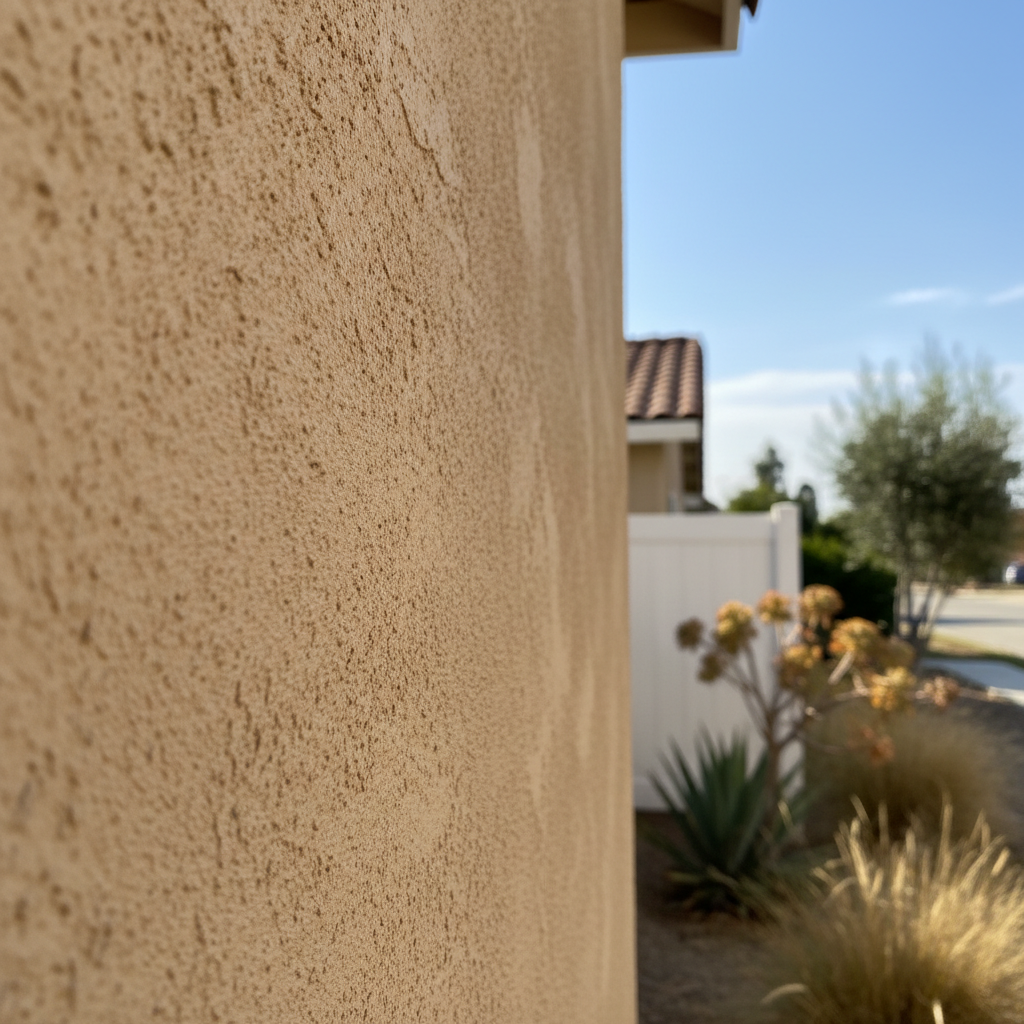
Thinking About Painting Your Stucco?
You're probably looking at your house and thinking, "Time for a fresh coat." Painting stucco isn't like painting drywall inside your living room, though. It's a whole different animal, especially here in West Covina where our homes really take a beating from that intense sun and those occasional Santa Ana winds. You can absolutely do some of the work yourself, but you need to know where to draw the line. Let's break down what you need to know before, during, and after the project.
Before You Even Think About Paint
This is where most DIYers either succeed or fail. Prep work is everything with stucco. Seriously, I can't stress this enough. If you skip steps here, your paint job won't last, and you'll be doing it again sooner than you want.
- Clean It Up: Your stucco needs to be spotless. I'm talking about getting rid of all the dirt, grime, mildew, and anything else that's accumulated. A pressure washer is your best friend here, but use it carefully. Too much pressure can damage older stucco, especially if it's already a bit soft or has small cracks. Keep the nozzle moving and don't get too close. For stubborn spots, a stiff brush and a good stucco cleaner (follow the directions!) will do the trick. Make sure it's completely dry before moving on – give it a few days, especially if you've really soaked it.
- Fix the Cracks: This is non-negotiable. Any cracks, no matter how small, need repairing before painting. Paint isn't a magic sealant, you know? If you paint over a crack, that crack is still there, and it'll likely show through the paint eventually, or worse, let moisture in. For hairline cracks, an elastomeric patch or caulk designed for stucco works well. For bigger cracks, or if you see areas where the stucco is loose or crumbling, you've got a bigger problem. That's usually a sign of water damage or structural movement, and you'll need to repair the stucco properly. This is often where homeowners realize they're in over their heads. If you're not comfortable patching stucco, this is a good spot to call in West Covina Stucco & Plastering. We deal with this stuff every day.
- Prime Time: Don't skip primer. Stucco is porous, and a good quality masonry primer will seal it, create a uniform surface for the paint, and help the topcoat stick better. It'll also help with color consistency, especially if you're going from a dark color to a light one, or vice-versa.
Getting Down to Painting
Alright, you've prepped everything. Now for the fun part, right? Well, it can be, but it's still hard work.
- Choose the Right Paint: This isn't interior latex. You need high-quality exterior acrylic latex paint, specifically made for masonry or stucco. Look for paints that are breathable, flexible (elastomeric paints are great for stucco because they can bridge small cracks and move with the house), and resistant to mildew and fading. Our West Covina sun is brutal, so fade resistance is a big deal if you want your color to last.
- Application: You can use rollers, brushes, or a sprayer. For large, flat areas, a sprayer is fastest and gives the most uniform finish, but it requires masking everything you don't want painted (windows, doors, trim, landscaping, your neighbor's car...). Rollers work well for textured stucco, but you'll need a thick nap roller (1-inch or 1 1/4-inch) to get into all the nooks and crannies. Brushes are good for cutting in around trim and detail work. Always apply at least two thin coats rather than one thick one. It'll look better and last longer.
- Weather Watch: Don't paint in direct, blazing sun, or when it's too cold, or if rain is expected. Early mornings or late afternoons are often best in our climate, especially during the summer. The paint needs to cure properly.
When to Call a Pro (Seriously)
Look, I'm all for homeowners tackling projects they can handle. It saves money and gives you a sense of accomplishment. But there are definite times when calling a professional like West Covina Stucco & Plastering just makes sense.
- Extensive Damage: If you've got widespread cracking, crumbling stucco, or signs of significant water intrusion, that's not a paint job; it's a stucco repair job. Painting over these issues is like putting a band-aid on a broken leg. You need to fix the underlying problem first.
- High or Difficult Areas: If your house has multiple stories, steep gables, or tricky architectural features that require extensive scaffolding or specialized equipment, it's safer and often more efficient to hire pros. Falls from ladders are no joke.
- Time and Skill: Painting a whole house, especially one with stucco, is a huge undertaking. It's physically demanding, time-consuming, and takes a certain level of skill for a professional-looking finish. If you don't have the time, the right tools, or the confidence to do a good job, you'll be happier with the results if you bring in the experts.
- Lead Paint Concerns: If your house was built before 1978, there's a chance it has lead-based paint. Disturbing this paint (sanding, scraping, pressure washing) can release hazardous lead dust. This is a job for certified professionals who know how to handle it safely and legally.
Ultimately, painting your stucco can refresh your home's look and add curb appeal. Just make sure you go into it with your eyes wide open about the work involved. Do the prep right, use the right materials, and know your limits. Your home, and your back, will thank you.