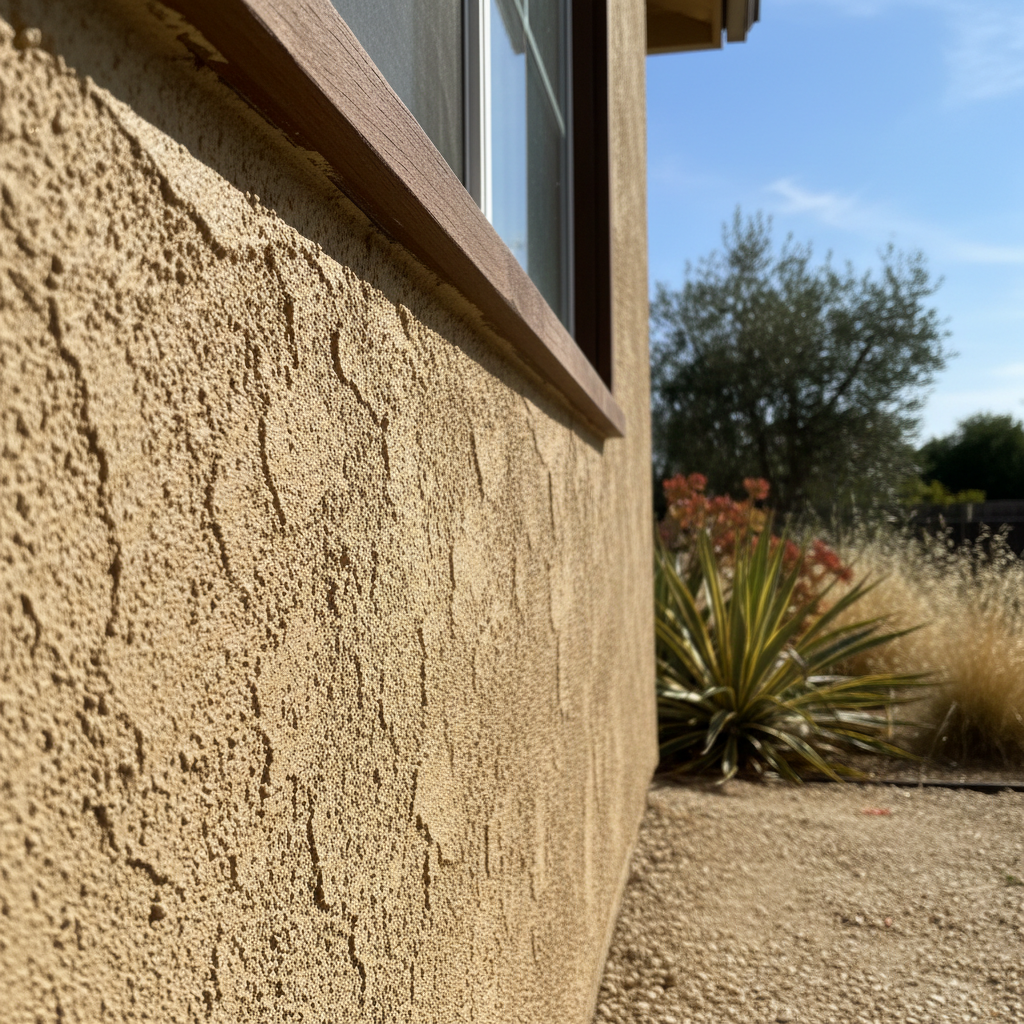
Tearing off old exterior plaster takes a lot of work, especially if you are dealing with the dry layers typical of older homes near downtown West Covina or up toward South Hills. Whether you are planning a modern exterior remodel or dealing with deep moisture damage underneath, stripping away the old cladding requires a clear plan before you start any demolition work.
What to Know Before You Start
Before any tools touch your walls, you have to look at what you are actually getting into. Stucco is not just a thin layer of paint; it is a heavy multi-coat system anchored by wire mesh and building paper over wood or block framing. In our dry local climate, older stucco gets brittle, but the metal lath and thousands of staples holding it up will put up a serious fight. You also need to check for hazardous materials like lead paint if your house was built decades ago, and secure any necessary local permits from the city of West Covina.
What You Can Realistically DIY
If you want to do some of the work yourself to save money, keep it to the prep and cleanup phases. You can easily handle hanging plastic sheeting over your windows, pulling up patio plants, and setting up containment zones to keep dust out of your neighbor's yard. Some homeowners also tackle stripping away a single layer of old decorative foam or minor patching. But taking down a full wall system by hand is back-breaking and exhausting labor that will test your patience very quickly.
When to Call West Covina Stucco & Plastering
The moment you move past minor cosmetic fixes and start stripping full exterior walls down to the studs or sheathing, you will want professional backup. West Covina Stucco & Plastering brings pneumatic tools, specialized saws, and proper dust control setups that make short work of heavy masonry. More importantly, our team knows how to spot hidden structural rot, termite damage, or compromised sheathing that often hides behind old lath and paper in our area. Trying to handle heavy demolition without the right commercial disposal bins can also leave you drowning in tons of concrete debris with no way to haul it away.
After the Walls Are Bare
Once the old material is cleared away, the real rebuilding begins. You will need a thorough inspection of the exposed framing to make sure everything is square and dry. From there, installing a fresh weather-resistant barrier and modern lath sets the stage right. Take your time cleaning up the perimeter, and make sure your disposal is finalized so your property does not look like a construction zone for weeks on end.